Childcare Blog
Explore our collection of expert advice, simple tips, and fun suggestions designed to make navigating parenthood a rewarding experience.
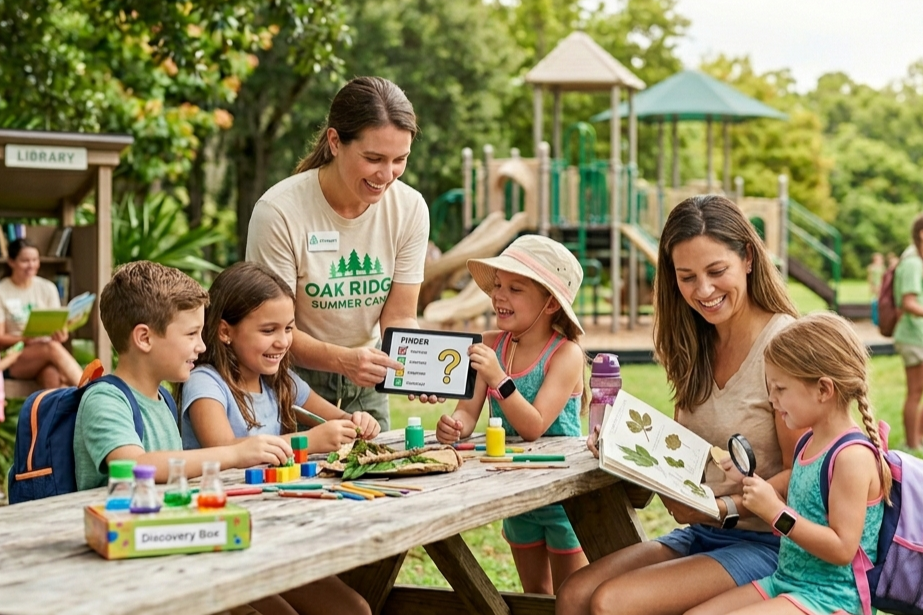
Give Your Child a Strong Start Before the School Year Begins When summer break starts, it’s easy to shift into a more relaxed routine. Later mornings, fewer responsibilities, and more free time can feel like a welcome change. But as the weeks go by, many parents begin to wonder: “Is my child staying on track?” “Will they be ready when school starts again?” These concerns are more common than you might think. Without structure and consistent engagement, children can lose important skills over the summer. That’s why choosing the right school readiness Oak Ridge Orlando program can make such a meaningful difference. At Oak Ridge Children’s Academy, summer isn’t just about keeping children busy—it’s about helping them stay confident, engaged, and prepared for the next school year. Why Summer Can Impact Your Child’s Readiness for School Summer should be fun, but long breaks from routine can create challenges for young children. Without consistent practice, children may: Forget routines they worked hard to learn Struggle to stay focused on tasks Feel less confident in group settings These small changes can add up. When school begins again, children who have been out of structured environments often need extra time to adjust. A strong school readiness Oak Ridge Orlando program helps prevent this. Instead of losing progress, your child continues developing skills in a way that feels natural and enjoyable. And for you, that means less stress when the school year begins. How a Summer Program Supports Learning, Structure, and Growth A high-quality summer childcare Oak Ridge Orlando program supports more than just your schedule—it supports your child’s development. At Oak Ridge Children’s Academy, children benefit from: Continued Learning Children stay engaged with activities that build language, early math, and problem-solving skills. Daily Structure A predictable routine helps children feel secure and focused. Social Development Children learn how to communicate, share, and work with others. This balanced approach helps children continue growing without feeling overwhelmed. For families looking for kindergarten prep Oak Ridge, this consistency makes a real difference. Your child builds skills gradually, making the transition to school much smoother. Activities That Build Real School Skills Children learn best through hands-on experiences. At Oak Ridge Children’s Academy, daily activities are designed to feel fun while supporting development. Each day includes: Storytime that strengthens listening and comprehension Creative projects that build fine motor skills Early math and problem-solving activities Group play that encourages teamwork and communication These activities are not just filler—they are intentional. For example, a simple group activity can teach children how to take turns and follow directions, while a creative project can improve focus and coordination. For parents, this means your child is learning without pressure—and gaining skills they will use in the classroom. Why Structure Helps Children Feel Confident One of the biggest factors in school readiness is routine. Children who are used to structure tend to adjust more easily when school begins. At Oak Ridge Children’s Academy, each day follows a consistent schedule that helps children: Understand expectations Transition smoothly between activities Stay engaged and focused This structure builds confidence. Children feel more comfortable when they know what comes next—and that comfort carries into the school environment. Choosing a structured school readiness Oak Ridge Orlando program helps your child feel prepared instead of overwhelmed. What a Typical Day Looks Like at Oak Ridge Children’s Academy As a parent, knowing your child’s daily routine brings peace of mind. At Oak Ridge Children’s Academy, a typical day includes: Morning arrival and welcoming activities Circle time and group learning Snack or meal time Hands-on learning and creative play Outdoor time for movement and exploration Lunch and social interaction Quiet time to rest and recharge Afternoon activities and guided play End-of-day pickup This balanced schedule keeps children engaged while also giving them time to rest. Your child stays active, supported, and comfortable throughout the day. Building Social and Emotional Confidence School readiness isn’t just about academics—it’s also about confidence. Children need to feel comfortable: Speaking up Asking for help Interacting with others At Oak Ridge Children’s Academy, children practice these skills every day. They learn how to: Share and take turns Communicate their needs Build friendships Work together in group settings These experiences help children feel more confident in classroom environments. For parents, this is one of the biggest benefits of a structured summer childcare Oak Ridge Orlando program. What Makes Oak Ridge Children’s Academy the Right Choice When choosing a school readiness Oak Ridge Orlando program, experience and quality matter. Oak Ridge Children’s Academy stands out because of its: 44 Years of Experience A long-standing reputation built on trust, consistency, and care. Gold Seal Accreditation A recognized standard of excellence in childcare and education. Private School (K–5) A strong academic foundation that supports long-term success. Comprehensive Programs Serving toddlers through school-age children in one trusted environment. These features provide something every parent needs—confidence in their decision. Addressing Parent Concerns with Confidence Choosing a summer program is a big decision, and it’s natural to have questions. Safety Children are supervised at all times in a structured and secure environment. Trust With over four decades of experience, Oak Ridge Children’s Academy has built lasting relationships with families. Affordability Families looking for kindergarten prep Oak Ridge options will find that a high-quality program provides long-term value through skill development and preparation. You shouldn’t have to worry about whether your child is in the right place. With the right program, you can feel confident every day. A Smoother, More Confident Start to the School Year One of the biggest benefits of a structured summer program is how it prepares your child for what comes next. Children who stay engaged over the summer: Adjust more easily to routines Feel more confident in group settings Experience fewer challenges when school begins At Oak Ridge Children’s Academy, children build these habits every day. Instead of starting from behind, they enter the school year ready. For parents, that means fewer struggles and a more positive start. Give Your Child the Confidence to Succeed Summer is more than just a break—it’s an opportunity. With the right program, your child can: Stay engaged and continue learning Build confidence and independence Develop important social and academic skills Feel prepared for the next school year At Oak Ridge Children’s Academy in Oak Ridge Orlando, every part of the program is designed to support your child’s success. Schedule a Tour or Enroll Today Summer spots are limited, and programs fill quickly. If you want your child to stay confident, prepared, and supported, now is the time to act. 👉 Schedule a tour today and see the environment for yourself 👉 Call now to speak with the team and get your questions answered 👉 Enroll today to secure your child’s spot before spaces are gone Give your child the structure, confidence, and support they need to start the school year strong—right here in Oak Ridge Orlando.

A Day Your Child Will Look Forward To: Inside Our Summer Experience in Oak Ridge Dropping your child off somewhere new can come with a lot of questions. You might be wondering: “Will they enjoy it?” “Will they feel comfortable?” “What are they actually doing all day?” As a parent, you don’t just want childcare—you want your child to be safe, engaged, and happy. That’s why understanding your child’s daily experience matters so much. At Oak Ridge Children’s Academy, our summer activities Oak Ridge Orlando families trust are designed to create a balanced, structured, and fun environment where children can grow, learn, and truly enjoy their day. Here’s what a typical day looks like—and why kids love being here. Why Your Child’s Daily Experience Matters More Than You Think Not all summer programs feel the same to a child. Some feel long, unstructured, and boring. Others feel exciting, predictable, and engaging. Without the right balance of activities and structure, children can: Lose interest quickly Struggle with routines Feel disconnected from learning Over time, this can impact their confidence and make the return to school more difficult. A well-designed program filled with meaningful summer activities Oak Ridge Orlando helps children stay engaged while continuing to develop important skills. And as a parent, you won’t have to wonder how your child’s day is going—you’ll see it in their excitement when they come home. How a Structured Summer Program Helps Children Thrive Children do best in environments where they feel both supported and stimulated. At Oak Ridge Children’s Academy, every part of the day is designed to support three key areas: Learning Children continue building early academic skills through hands-on experiences. Structure A consistent routine helps children feel secure and confident. Social Growth Daily interaction teaches communication, teamwork, and independence. This balance is what makes a strong summer childcare Oak Ridge Orlando program. Your child isn’t just staying busy—they’re building skills that will help them succeed long after summer ends. Activities That Keep Children Engaged and Excited Children learn best when they’re actively involved in what they’re doing. That’s why our summer activities Oak Ridge Orlando program focuses on hands-on, engaging experiences that feel like play—but have real purpose. Each day includes: Storytime that builds listening skills and vocabulary Creative arts and crafts that strengthen fine motor development Early math activities that introduce problem-solving Group games that encourage teamwork and cooperation These activities are carefully planned to match your child’s developmental stage. For example, younger children may focus on basic coordination and communication, while older children take on more structured group challenges. This variety keeps children interested, motivated, and excited to participate. Why Routine Helps Children Feel Safe and Confident One of the biggest reasons children enjoy their day is because they know what to expect. A predictable routine helps children: Feel more comfortable in their environment Transition smoothly between activities Stay focused and engaged At Oak Ridge Children’s Academy, routines are built into the day in a way that feels natural—not rigid. Children move through their day with a sense of flow, which reduces stress and builds confidence. For parents, this means fewer behavioral challenges and a smoother daily experience overall. What a Typical Day Looks Like at Oak Ridge Children’s Academy As a parent, understanding your child’s routine can bring real peace of mind. Here’s an example of a kids summer schedule Oak Ridge families can expect: Morning arrival with warm, welcoming activities Circle time and group learning to start the day Snack or meal time Hands-on learning and creative activities Outdoor play for movement and exploration Lunch and social interaction Quiet time to rest and recharge Afternoon group activities and guided play End-of-day pickup Each part of the day is designed to keep children engaged while also giving them time to rest and reset. This balance helps prevent burnout and keeps children excited about coming back the next day. Building Confidence Through Social Interaction Summer is a great time for children to grow socially in a relaxed setting. At Oak Ridge Children’s Academy, children practice: Sharing and taking turns Communicating their needs Building friendships Working together in group activities These daily interactions help children feel more confident around others. They also learn how to handle small challenges, like waiting their turn or solving simple disagreements. For many parents, this is one of the most valuable parts of a structured summer childcare Oak Ridge Orlando program. A confident child is more likely to participate, engage, and succeed in school. What Makes Oak Ridge Children’s Academy Different When choosing a summer program, experience and quality matter. Oak Ridge Children’s Academy offers: 44 Years of Experience A long-standing reputation built on trust, consistency, and care. Gold Seal Accreditation A recognized standard of excellence in childcare and education. Private School (K–5) A strong academic foundation that supports long-term success. Programs for Multiple Age Groups From toddlers to school-age children, your child can grow in one familiar environment. These features provide something every parent wants—confidence in their decision. You know your child is in capable, experienced hands. Addressing Parent Concerns with Clarity and Care Choosing a summer program is a big decision, and it’s normal to have questions. Safety Children are supervised at all times in a structured and secure environment. Trust With over four decades of experience, families in Oak Ridge continue to rely on this program. Value Parents receive more than just childcare—they receive a program that supports their child’s development and well-being. You shouldn’t have to worry about where your child spends their day. Choosing a program with strong summer activities Oak Ridge Orlando gives you peace of mind every day. Making the Transition Back to School Easier One of the biggest benefits of a structured summer program is what happens after summer ends. Children who stay engaged during the summer: Adjust more easily to routines Feel more confident in group settings Experience fewer challenges when school begins At Oak Ridge Children’s Academy, children build these habits every day. Instead of starting from scratch, they enter the school year ready. For parents, that means less stress and a smoother transition. A Summer Your Child Will Enjoy—and Benefit From Summer should be fun—but it can also be meaningful. With the right program, your child can: Stay active and engaged Build important skills Develop confidence and independence Feel supported every step of the way At Oak Ridge Children’s Academy, every day is designed to create a positive, structured, and enjoyable experience. And most importantly—your child will look forward to coming back. Schedule a Tour or Enroll Today Summer spots are limited, and programs fill quickly. If you want your child in a safe, structured, and engaging environment, now is the time to act. 👉 Schedule a tour today and see the program in action 👉 Call now to speak with our team and get your questions answered 👉 Enroll today to secure your child’s spot before availability runs out Give your child a summer filled with confidence, growth, and joy—right here in Oak Ridge Orlando.
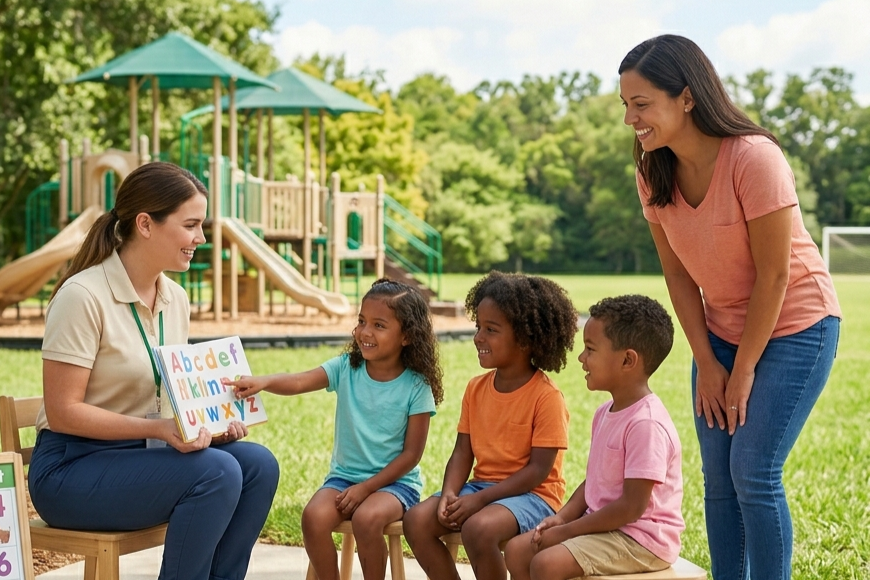
Feeling Behind on Summer Plans? Here’s How to Choose the Right Program in Oak Ridge If summer is getting closer and you’re still figuring out childcare, you’re not alone. Many parents in Oak Ridge reach this point and start to feel the pressure: “Did I wait too long?” “Are there any good options left?” “Will my child actually benefit—or just be watched?” These are real concerns—and they matter. Choosing the right day camp in Oak Ridge Orlando isn’t just about availability. It’s about finding a place where your child is safe, engaged, and continuing to grow. At Oak Ridge Children’s Academy, families still have access to a trusted, structured summer program built on over 44 years of experience. Here’s what you need to know to make the right decision—without the stress. Why Waiting Too Long Can Make Summer More Challenging It’s easy to delay summer planning when life gets busy. But once school ends, the need for structure becomes clear—fast. Without a plan, summer can turn into: Unstructured days with too much screen time Disrupted routines that are hard to rebuild Last-minute childcare decisions that don’t feel right Children also feel the impact. Without consistent engagement, they may lose focus, confidence, and important learning habits. That’s why finding the right day camp in Oak Ridge Orlando matters—even if you’re deciding later than expected. The right program brings structure back into your child’s day—and peace of mind back into yours. What to Look for When Options Feel Limited When you’re searching later in the season, it’s tempting to choose the first available option. But not all programs offer the same level of care. If you’re considering a summer camp near Oak Ridge, here’s what really matters: A Safe and Supervised Environment Your child should always be in a secure, well-managed setting. Structured Daily Activities A balance of learning, play, and rest keeps children engaged. Experienced and Reliable Staff Consistency and experience create a better environment for children. Long-Term Value The right program supports your child’s growth—not just your schedule. At Oak Ridge Children’s Academy, these elements are part of the foundation—not extras. How a Structured Program Supports Your Child’s Growth A high-quality summer childcare Oak Ridge Orlando program goes beyond basic supervision. It supports your child in three key areas: Learning Children continue building language, math, and problem-solving skills through hands-on activities. Structure A predictable routine helps children feel confident and focused. Social Development Children practice communication, teamwork, and independence. This balance is what makes a day camp Oak Ridge Orlando experience truly meaningful. Instead of falling behind, your child continues moving forward. Activities That Keep Children Engaged and Learning Children need more than free play—they need engaging experiences that support development. At Oak Ridge Children’s Academy, activities are designed to be both fun and purposeful. Your child will take part in: Storytime that strengthens listening and comprehension Creative projects that build fine motor skills Early math and problem-solving activities Group play that encourages teamwork and communication These activities help children develop important skills in a natural, enjoyable way. For parents, this means your child is not just staying busy—they’re learning every day. Why Structure Makes a Big Difference Children thrive when their day has a clear rhythm. Without structure, they can feel overwhelmed or unsure. At Oak Ridge Children’s Academy, each day follows a consistent schedule that helps children: Understand expectations Transition between activities smoothly Stay engaged and focused Choosing a structured day camp in Oak Ridge Orlando helps your child feel more secure—and that confidence carries into the school year. What a Typical Day Looks Like As a parent, knowing your child’s daily experience brings peace of mind. At Oak Ridge Children’s Academy, a typical day includes: Morning arrival and welcoming activities Circle time and group learning Snack or meal time Hands-on learning and creative play Outdoor time for movement and exploration Lunch and social interaction Quiet time to rest and recharge Afternoon activities and guided play End-of-day pickup This balance keeps children engaged without overwhelming them. Your child’s day is structured, supportive, and designed with their growth in mind. Building Confidence Through Social Interaction Summer programs are a great opportunity for children to grow socially. At Oak Ridge Children’s Academy, children learn how to: Share and take turns Communicate their needs Build friendships Work together in group settings These everyday experiences help children feel more comfortable in classroom environments. For families searching for a summer camp near Oak Ridge, this kind of social development is just as important as academics. A confident child is more likely to participate and succeed. What Makes Oak Ridge Children’s Academy Stand Out When options feel limited, choosing a trusted provider becomes even more important. Oak Ridge Children’s Academy offers: 44 Years of Experience A long-standing reputation built on consistency, care, and trust. Gold Seal Accreditation A recognized standard of excellence in childcare and education. Private School (K–5) A strong academic foundation that supports long-term success. Comprehensive Programs From toddlers to school-age children, your child can grow in one familiar environment. These qualities give parents something invaluable—confidence in their choice. Addressing Parent Concerns with Confidence It’s normal to have questions when choosing a summer program. Safety Children are supervised at all times in a structured and secure environment. Trust With decades of experience, Oak Ridge Children’s Academy has built lasting relationships with families in the community. Affordability Families looking for value will find that a strong program provides meaningful benefits that go beyond basic care. Choosing the right day camp Oak Ridge Orlando option means choosing peace of mind. You won’t have to second-guess your decision. Making the Transition Back to School Easier One of the biggest benefits of a structured summer program is how it prepares your child for what comes next. Children who stay engaged over the summer: Adjust more easily to routines Feel more confident in group settings Experience fewer challenges when school begins At Oak Ridge Children’s Academy, children build these habits every day. For parents, that means less stress and a smoother start to the school year. You Still Have Time to Make the Right Choice Even if you’re still searching, it’s not too late. The right day camp in Oak Ridge Orlando can provide: Structure and consistency Meaningful activities A safe and supportive environment Confidence for your child—and peace of mind for you At Oak Ridge Children’s Academy, everything is designed to support your child’s growth while making your life easier. Schedule a Tour or Enroll Today Summer spots are filling quickly, and availability won’t last. If you’ve been waiting to find the right fit, now is the time to act. 👉 Schedule a tour today and see the program in person 👉 Call now to speak with the team and get your questions answered 👉 Enroll today to secure your child’s spot before spaces are gone Give your child a summer filled with structure, confidence, and care—right here in Oak Ridge Orlando.

What Parents Should Expect From a High-Quality Summer Program in Oak Ridge As summer gets closer, many parents start asking the same question: “What will my child actually be doing all day?” It’s not enough to simply find a place that watches your child. You want a program where they’re safe, engaged, learning, and genuinely happy. At the same time, you’re thinking about your schedule, your budget, and your child’s development. Choosing the right summer program in Oak Ridge Orlando can feel overwhelming—but understanding what’s included can make the decision much easier. At Oak Ridge Children’s Academy, families know exactly what their child is experiencing each day—and why it matters. Here’s what a high-quality summer program should include, and how it supports your child’s growth every step of the way. Why Understanding a Summer Program Matters for Your Child Not all summer programs are the same. Some offer basic supervision, while others provide a structured, enriching experience that helps children grow. Without the right balance of activities and routine, children may: Lose important learning habits Feel bored or disengaged Struggle when transitioning back to school That’s why choosing the right summer program in Oak Ridge Orlando matters so much. When you understand what’s included, you can choose a program that supports your child—not just fills time. And as a parent, you won’t have to worry about how your child is spending their day. How a Structured Summer Program Supports Learning and Growth A high-quality summer childcare Oak Ridge program goes beyond supervision. It supports your child’s development in three key ways: Continued Learning Children stay engaged with activities that build language, early math, and problem-solving skills. Daily Structure A consistent routine helps children stay focused and confident. Social Development Children practice communication, teamwork, and independence. At Oak Ridge Children’s Academy, these elements are part of every day. Your child isn’t just staying busy—they’re building skills that prepare them for long-term success. Activities That Keep Children Engaged and Learning Children learn best when they’re active and involved. At Oak Ridge Children’s Academy, summer activities are designed to feel fun while supporting development. Each day includes: Storytime that strengthens listening and comprehension Creative projects that build fine motor skills Early math and problem-solving activities Group play that encourages teamwork and interaction These activities are carefully planned with purpose. For example, creative play helps children develop focus and coordination, while group activities teach important social skills. For parents, this means your child is learning naturally—without pressure or frustration. Why Daily Structure Makes a Difference Children thrive in environments where they know what to expect. A structured day helps reduce anxiety and keeps children engaged. At Oak Ridge Children’s Academy, routines are built into every part of the day. Children move from one activity to the next in a predictable way, helping them: Stay focused Follow directions more easily Transition smoothly Choosing a structured summer program in Oak Ridge Orlando helps your child feel secure and confident throughout the day. What a Typical Day Looks Like at Oak Ridge Children’s Academy As a parent, knowing your child’s daily routine brings peace of mind. At Oak Ridge Children’s Academy, a typical day includes: Morning arrival and welcoming activities Circle time and group learning Snack or meal time Hands-on learning and creative play Outdoor time for movement and exploration Lunch and social interaction Quiet time to rest and recharge Afternoon activities and guided play End-of-day pickup This balance of learning, play, and rest keeps children engaged without overwhelming them. Your child stays active, supported, and happy throughout the day. Supporting Social and Emotional Growth A strong summer program supports more than academics. It helps children build confidence and independence. At Oak Ridge Children’s Academy, children learn how to: Share and take turns Communicate their needs Build friendships Work together in group settings These experiences help children feel more comfortable in social environments. For parents, this is one of the biggest benefits of a structured summer childcare Oak Ridge program. A confident child is more likely to participate, engage, and enjoy learning. What Makes Oak Ridge Children’s Academy Stand Out When choosing a summer program in Oak Ridge Orlando, experience and quality matter. Oak Ridge Children’s Academy offers: 44 Years of Experience A trusted name in the Oak Ridge community with decades of consistent care. Gold Seal Accreditation A recognized mark of excellence in childcare and education. Private School (K–5) A strong academic foundation that supports long-term growth. Comprehensive Programs Serving toddlers through school-age children in one trusted location. These features provide something every parent needs—confidence in their decision. Addressing Parent Concerns with Clarity It’s completely normal to have questions when choosing a summer program. Safety Children are supervised at all times in a structured, secure environment. Trust With over 44 years of experience, Oak Ridge Children’s Academy has built strong relationships with families. Affordability Families looking for value will find that a high-quality program offers more than just basic care—it provides meaningful benefits for your child. Choosing the right summer program in Oak Ridge Orlando means choosing peace of mind. You won’t have to second-guess your decision. Helping Your Child Transition Back to School One of the biggest advantages of a structured summer program is how it prepares your child for the school year ahead. Children who stay engaged during the summer: Adjust more easily to routines Feel more confident in group settings Experience fewer challenges when school begins At Oak Ridge Children’s Academy, children build these habits every day. For parents, that means less stress and a smoother transition. Give Your Child a Summer That Supports Growth Summer is more than just a break—it’s an opportunity. With the right program, your child can: Stay engaged and active Build important skills Develop confidence and independence Feel supported in a safe environment At Oak Ridge Children’s Academy in Oak Ridge Orlando, every part of the program is designed to help your child succeed. Schedule a Tour or Enroll Today Summer spots are limited, and programs fill quickly. Now is the time to secure a safe, structured, and supportive environment for your child. 👉 Schedule a tour today and see the program in person 👉 Call now to speak with the team and get your questions answered 👉 Enroll today to reserve your child’s spot before availability runs out Give your child a summer filled with confidence, care, and growth—right here in Oak Ridge Orlando.
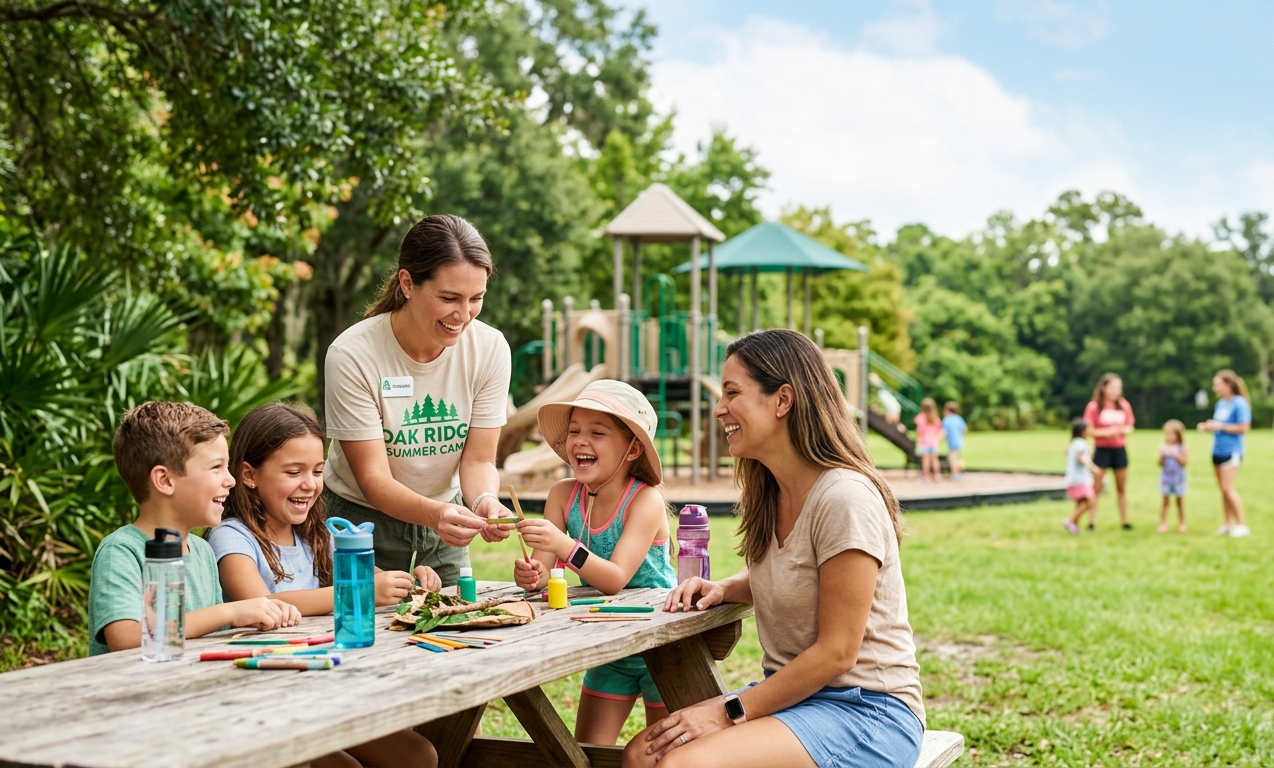
A Parent’s Guide to Finding a Summer Program You Can Trust in Oak Ridge As summer approaches, many parents start to feel the pressure. You might be wondering: “Where can I find a place that’s safe, reliable, and actually good for my child?” “Will my child just be watched—or will they actually learn something?” It’s not always easy to find the right balance between quality and affordability. Choosing the right summer camp in Oak Ridge Orlando isn’t just about convenience—it’s about making sure your child is in a place where they feel safe, supported, and encouraged to grow. At Oak Ridge Children’s Academy, families don’t have to choose between safety, experience, and value. You can have all three in one trusted program. Here’s what to look for—and how to feel confident in your decision this summer. Why Choosing the Right Summer Program Matters More Than You Think Summer should be fun, but too much unstructured time can create challenges. Without routine and engagement, children may: Lose focus and learning habits Struggle with structure later Feel less confident in group environments These small setbacks can make the transition back to school more stressful. That’s why choosing the right summer camp in Oak Ridge Orlando matters. A structured, supportive program helps your child stay active, continue learning, and build confidence throughout the summer. For you, that means peace of mind knowing your child is not just being supervised—but truly supported. What to Look for in a Safe and Affordable Summer Camp Not all programs offer the same level of care. If you’re searching for an affordable summer camp Oak Ridge families trust, here are the key things to focus on: A Safe, Supervised Environment Your child should be in a secure setting with consistent oversight. Structured Daily Activities A balance of learning, play, and rest keeps children engaged. Experienced and Reliable Staff Consistency and experience make a big difference in how children are cared for. Real Value for Your Investment Affordability should come with quality—not compromise. At Oak Ridge Children’s Academy, these elements are part of everyday care—not extras. How a Quality Program Supports Learning and Growth A strong summer program supports more than just your schedule. It helps your child continue growing in meaningful ways. At Oak Ridge Children’s Academy, children benefit from: Continued Learning Through hands-on activities, children build language, early math, and problem-solving skills. Daily Structure A predictable routine helps children stay focused and confident. Social Development Children learn how to communicate, share, and work with others. This balance is what makes a summer childcare Oak Ridge Orlando program truly valuable. Your child isn’t just passing time—they’re building skills for the future. Activities That Support Real Development Children learn best when they’re engaged and active. At Oak Ridge Children’s Academy, summer activities are designed to feel fun while supporting development. Each day includes: Storytime that builds listening and comprehension Creative projects that strengthen fine motor skills Early math and problem-solving activities Group play that encourages teamwork These experiences help children develop both academic and life skills. For parents, this means your child is learning naturally—without pressure or frustration. Why Routine Helps Children Feel Secure and Confident Children thrive in environments where they know what to expect. A structured day helps reduce anxiety and keeps children focused. At Oak Ridge Children’s Academy, routines are built into every part of the day. Children move through activities in a consistent way, helping them: Stay engaged Follow directions more easily Transition smoothly Choosing a structured summer camp in Oak Ridge Orlando gives your child a sense of stability and confidence. What a Typical Day Looks Like As a parent, understanding your child’s daily experience can make all the difference. At Oak Ridge Children’s Academy, a typical day includes: Morning arrival and welcoming activities Circle time and group learning Snack or meal time Hands-on learning and creative play Outdoor time for movement and exploration Lunch and social interaction Quiet time to rest and recharge Afternoon activities and guided play End-of-day pickup This balance ensures your child stays active, engaged, and supported throughout the day. Building Social Confidence for School and Beyond Summer programs are a great opportunity for children to grow socially. At Oak Ridge Children’s Academy, children learn how to: Share and take turns Communicate their needs Build friendships Work together in group settings These skills are just as important as academic development. A confident child is more likely to participate, engage, and enjoy school. For parents, that’s one of the biggest benefits of choosing the right summer program. What Makes Oak Ridge Children’s Academy Stand Out When it comes to choosing a summer camp in Oak Ridge Orlando, experience matters. Oak Ridge Children’s Academy offers: 44 Years of Experience Decades of trusted care and consistent quality in the Oak Ridge community. Gold Seal Accreditation A recognized standard of excellence in childcare and education. Private School (K–5) A strong academic foundation that supports long-term success. Comprehensive Programs From toddlers to school-age children, your child can grow in one familiar, trusted place. These are not just features—they are reasons families continue to choose Oak Ridge Children’s Academy year after year. Addressing Parent Concerns with Confidence Choosing a summer program comes with important questions. Is My Child Safe? Children are supervised at all times in a structured, secure environment. Can I Trust the Program? With over 44 years of experience, families in Oak Ridge continue to rely on this program. Is It Affordable? Families looking for an affordable summer camp Oak Ridge option will find strong value in a program that combines quality care with long-term benefits. When these concerns are addressed, you can feel confident in your decision. A Smoother Transition Back to School One of the biggest advantages of a structured summer program is what happens next. Children who stay engaged over the summer: Adjust more easily to routines Feel more confident in group settings Experience fewer challenges when school begins At Oak Ridge Children’s Academy, children continue practicing these skills every day. For parents, that means less stress and a smoother start to the school year. Give Your Child a Summer That Builds Confidence and Growth Summer is more than just a break—it’s an opportunity. With the right program, your child can: Stay engaged and active Build important life skills Develop confidence and independence Feel supported in a safe environment At Oak Ridge Children’s Academy in Oak Ridge Orlando, every part of the program is designed with your child’s success in mind. Schedule a Tour or Enroll Today Summer spots are limited, and programs fill quickly. If you want a safe, structured, and supportive environment for your child, now is the time to act. 👉 Schedule a tour today and see the program in person 👉 Call now to speak with the team and get your questions answered 👉 Enroll today to secure your child’s spot before spaces are gone Give your child a summer filled with confidence, care, and growth—right here in Oak Ridge Orlando.

Avoid the childcare rush. Learn why early preschool registration at Oak Ridge Children’s Academy gives Orlando families peace of mind and a confident start to 2025.

Discover fun, educational winter childcare at Oak Ridge Children’s Academy in Orlando. Keep your child happy, learning, and cared for during school breaks.

Discover why South Orlando families trust Oak Ridge Children’s Academy—where small classes, caring teachers, and play-based learning inspire confident growth.
As parents and caregivers, you may have experienced moments when your child’s emotions feel overwhelming—when they throw themselves on the ground, scream, or refuse to calm down. These intense outbursts can be both stressful and confusing, especially when you're unsure if you’re witnessing a tantrum or a meltdown. While both tantrums and meltdowns can look similar on the surface, they stem from different emotional processes and require different approaches to manage. Understanding the distinction between the two is essential for knowing how to best support your child through these emotional moments. At Oakridge Children’s Academy, we believe in equipping both children and parents with the tools needed to navigate these emotional challenges. In this blog post, we’ll explain the difference between tantrums and meltdowns, why they happen, and how to respond in ways that are both effective and empathetic. What Is a Tantrum? A tantrum is often an intentional emotional response, typically driven by a child’s frustration or desire for control. While tantrums can be distressing to witness, they are usually a normal part of development, especially for children between the ages of 1 and 4. During this stage, children are learning how to express their needs, desires, and frustrations, but they may not yet have the language or coping skills to do so effectively. Key Characteristics of a Tantrum : Goal-driven : Tantrums often occur when a child is trying to achieve a specific goal (e.g., wanting a toy, snack, or attention). Ability to self-regulate : Children may calm down more easily when their demands are met or when they sense they’re not getting what they want. Testing boundaries : Tantrums can be a way for children to test the limits of what’s acceptable or to assert independence. For example, a child might throw a tantrum in the store because they want a toy, and when you say no, they might scream, cry, and fall to the floor. In this case, the child is upset because they didn’t get what they wanted, but the tantrum ends once the situation is resolved or the child is distracted. What Is a Meltdown? A meltdown, on the other hand, is often an emotional response to being overwhelmed. Unlike tantrums, meltdowns are not goal-driven and are not typically a result of seeking attention or wanting something specific. Meltdowns can happen when a child’s sensory, emotional, or cognitive systems become overloaded. These reactions are often uncontrollable and can happen even if the child doesn’t want to experience them. Key Characteristics of a Meltdown : Overload of emotions or sensory input : Meltdowns often occur when a child is overwhelmed by too much stimulation, such as loud noises, bright lights, or intense emotions. Inability to self-regulate : During a meltdown, children may be unable to calm themselves down, even if they want to. Out of their control : Unlike tantrums, meltdowns are not intentional and the child may not be able to stop the behavior once it starts. For example, a child who has had a busy, overstimulating day at school might have a meltdown when they get home, crying uncontrollably or withdrawing, even if they weren’t initially upset. The meltdown may be triggered by a small event that tips the balance, but the child is simply too emotionally overwhelmed to manage it. Tantrums vs. Meltdowns: Key Differences Tantrum Often a result of wanting something or testing boundaries Child can often be calmed by meeting their needs or giving them what they want Tantrums usually happen when the child’s desire is unmet A child might calm down quickly once the situation is resolved Meltdown Result of being emotionally or sensory overwhelmed Child cannot regulate themselves and may not be able to calm down easily Meltdowns can happen even if the child’s desire is met; often triggered by external stimuli A child may need a lot of time and space to regain emotional control What to Do About Tantrums Tantrums can be challenging, but they are often a phase that children grow out of as they learn better ways to express their feelings. Here are some strategies to manage tantrums: 1. Stay Calm and Composed It can be hard to stay calm when your child is upset, but responding with patience is key. If you react with frustration or anger, it may escalate the situation. Take a deep breath, lower your voice, and show your child that you’re in control of your emotions. 2. Set Clear Boundaries and Be Consistent Tantrums often occur when a child is testing boundaries. Be firm but gentle in your response. Let them know what is acceptable behavior, and be consistent in your approach. If you say “no” to something, stand by it. 3. Distract and Redirect If you can’t give in to the child’s demands, try to redirect their attention. Offer an alternative activity or a toy that can help take their mind off the situation. Distraction can be an effective way to shift your child’s focus and stop the tantrum in its tracks. 4. Validate Their Feelings Even though you can’t give in to their demands, it’s important to acknowledge your child’s feelings. Say something like, “I can see that you’re upset because you want the toy. It’s okay to feel frustrated, but we can’t have that toy right now.” What to Do About Meltdowns Meltdowns require a different approach, as they often stem from emotional overload or sensory triggers. Here’s how you can help your child through a meltdown: 1. Create a Calm Environment During a meltdown, your child may need a quiet, safe space to calm down. If possible, take them to a calm area with minimal distractions. Dim the lights, reduce noise, and remove any overwhelming stimuli. Sometimes, offering a quiet, cozy corner can help your child feel more secure. 2. Offer Comfort and Reassurance Unlike a tantrum, a meltdown isn’t something your child can “snap out of” quickly. Offer comfort and reassurance, whether it’s through physical touch, soothing words, or simply staying close to them. Let your child know you’re there for them, even if they’re not able to communicate their needs in the moment. 3. Give Them Time to Calm Down Meltdowns can take time to subside. Don’t try to force your child to stop crying or to engage before they’re ready. Allow them time to process their feelings and return to a more regulated state. 4. Help Prevent Future Overload If you notice patterns in your child’s meltdowns, try to identify potential triggers. Is it a certain environment, routine, or activity that consistently leads to meltdowns? You can work on reducing sensory overload or providing your child with strategies to manage overwhelming emotions. Helping young children express big emotions is a crucial part of their emotional development. Learn strategies for guiding your child through these emotional moments in our post on How to Help Young Children Express Big Emotions , and explore how to ease separation anxiety for smoother transitions in our article Understanding Separation Anxiety and How to Ease It . Conclusion: Understanding and Supporting Your Child’s Emotional Needs Whether it’s a tantrum or a meltdown, both are signs that your child is working through their emotions and learning how to cope with complex feelings. The key is recognizing the difference between the two and responding with patience, empathy, and support. At Oakridge Children’s Academy, we’re here to support both children and parents as they navigate the ups and downs of emotional development. By understanding the causes behind tantrums and meltdowns, and by employing strategies to help children cope, we can help foster a positive, nurturing environment where children learn emotional regulation and resilience. If you’re looking for additional guidance or strategies to support your child during challenging moments, our educators are always available to offer advice and support. Remember, every child is different, and finding what works best for your child’s emotional development will make a big difference in helping them thrive.

As parents and caregivers, it’s natural to wonder how much structure is necessary for young children to thrive. Too much structure can feel stifling, while too little might lead to confusion and insecurity. Striking the right balance between routine and flexibility is key to fostering an environment where children feel safe, confident, and eager to learn. In this blog post, we’ll explore the role of structure in early childhood education, why it’s important, and how to find the right amount of structure that supports your child’s development. The Role of Structure in Early Childhood Young children thrive on routine. From the moment they wake up to when they go to bed, children find comfort in knowing what to expect next. Structure provides a sense of security, allowing children to feel confident in navigating the world around them. However, structure doesn’t just mean strict schedules—it also involves creating an environment that offers predictability, consistency, and clear expectations. In early childhood education, structure helps children understand the rhythms of daily life. It teaches them about time management, responsibility, and the importance of routines. Structure also helps children learn how to make choices, take turns, and follow instructions, which are essential for their social and cognitive development. Why Young Children Need Structure Young children are still developing their ability to self-regulate and manage their emotions. Structure provides them with the framework they need to feel safe and secure in their environment. Here are a few reasons why structure is essential in early childhood: 1. Provides a Sense of Security Children need predictability to feel secure. When their days follow a consistent pattern, they know what to expect, which reduces anxiety. Knowing that certain activities happen at specific times—like snack time, playtime, and nap time gives children the stability they need to feel safe. This sense of security is crucial for their emotional well-being and helps them build trust in their environment and caregivers. 2. Teaches Time Management and Responsibility Structure helps children learn about the passage of time and the importance of managing their day. When children have designated times for specific activities, such as circle time, playtime, or group activities, they begin to understand the concept of sequencing and time management. This understanding will serve as the foundation for later academic and life skills, including problem-solving and planning. Additionally, structure teaches responsibility. By participating in daily routines, such as cleaning up toys after play or putting away their belongings, children learn the value of taking care of their environment and contributing to the community around them. 3. Supports Emotional Development A predictable routine gives children a sense of control over their environment. When they know what to expect next, they are less likely to feel overwhelmed or anxious. Having structure in their day helps children develop emotional regulation because they know when it’s time to transition from one activity to another. This reduces the likelihood of frustration and tantrums, as children feel more prepared for what’s coming next. The Importance of Flexibility in Early Childhood While structure is important, it’s equally essential to allow for flexibility. Too much rigidity can limit children’s ability to explore, make choices, and develop creativity. Flexibility allows children to learn how to adapt to new situations and make decisions based on their interests and needs. Here are some reasons why flexibility is just as important as structure: 1. Encourages Exploration and Creativity Children are naturally curious and eager to explore the world around them. Allowing time for free play, where there is no set agenda, fosters creativity and imagination. This type of play enables children to experiment, problem-solve, and develop critical thinking skills. Whether they’re building with blocks, pretending to be a character in a story, or drawing a picture, free play is essential for cognitive development. In a flexible environment, children can explore different interests at their own pace, which helps them develop a sense of independence and self-discovery. This type of open-ended play is where some of the most valuable learning happens. 2. Fosters Autonomy and Decision-Making Skills Flexibility in a child’s day allows them to make choices and take ownership of their actions. For example, allowing a child to choose what activity they want to engage in, or which color they want to use during a craft project, helps them develop decision-making skills. This fosters a sense of autonomy and confidence, which is critical for building self-esteem. Allowing children the freedom to choose within structured parameters also teaches them to respect limits and boundaries while still making their own decisions. It helps them learn how to balance independence with following guidelines. 3. Adapts to Children’s Needs Children’s needs and moods can vary from day to day. Having some flexibility in the schedule allows for adjustments based on how the children are feeling or what they need in the moment. For example, if a child is particularly tired, a flexible routine might allow for a longer rest period or a quieter activity. On the other hand, if children are feeling energetic, they might benefit from additional outdoor playtime or a more active lesson. Flexibility in early childhood education ensures that children’s needs are met in a way that supports their emotional and physical well-being. Finding the Right Balance So, how much structure is the right amount? The key is finding a balance between routine and flexibility that works for your child. Here are some tips for creating an environment that blends both structure and flexibility: 1. Create a Predictable Daily Routine A predictable routine helps children feel secure. It’s important to have set times for meals, naps, and other key activities. However, make sure there’s room for spontaneity and exploration during playtime or other less structured moments. 2. Allow for Choice and Autonomy Incorporate choices throughout the day so that children feel empowered. For example, let them choose what activity they’d like to do during free play or which book they want to read during storytime. This flexibility encourages decision-making and self-expression. 3. Be Open to Adjustments While routines are important, be prepared to adjust based on the child’s needs. If a child is particularly focused on an activity, consider extending the time they can spend on it. Alternatively, if a child seems restless or distracted, a change of activity or a break might be in order. 4. Model Adaptability Children learn by observing adults. Model flexibility and adaptability by showing how you handle changes in plans or unexpected events. This teaches children how to cope with uncertainty and how to approach new situations with a positive mindset. Before starting preschool, it's important to understand what 3-year-olds should know , such as basic social skills, early literacy, and independence, which lay the foundation for a successful learning experience. Additionally, incorporating risky play in their daily routine can help them develop essential skills like problem-solving, decision-making, and risk assessment, all of which are crucial for building resilience and confidence in the classroom and beyond. Conclusion: A Harmonious Blend of Structure and Flexibility Young children need structure to feel secure, learn responsibility, and develop essential skills. However, too much rigidity can stifle creativity, independence, and decision-making. By striking the right balance between routine and flexibility, you create an environment where children feel supported, encouraged, and free to explore. At Oakridge Children’s Academy, we believe that a combination of structure and flexibility is key to fostering a nurturing learning environment. We strive to provide routines that children can rely on while also allowing room for creativity, exploration, and personal growth. If you have any questions about our approach to early childhood education or want to learn more about our programs, feel free to contact us!

